Warts are a common skin condition that, while often harmless, can be unsightly and uncomfortable. Their contagious nature makes prevention a crucial step to stop their spread, especially in shared spaces like public pools or locker rooms. While over-the-counter treatments exist, their effectiveness varies. This is where specialized wart removal centers naturally step in, offering tailored solutions and expert guidance. This comprehensive guide delves into proven strategies to prevent warts, empowering individuals to take control of their skin health and minimize the risk of transmission.
- Understanding Warts: Causes and Types
- Prevention Strategies: Lifestyle and Hygiene
- Specialized Wart Removal Center: Safe Options
Understanding Warts: Causes and Types
Warts are a common skin condition caused by the human papillomavirus (HPV). They can appear anywhere on the body but are most often found on the hands and feet. Understanding wart causes and types is crucial in preventing their spread. There are several types of warts, each with distinct characteristics: common warts, also known as verrucae, are rough, flesh-colored bumps that can appear alone or in clusters; plantar warts grow beneath the foot, causing pain and discomfort during walking or running; and genital warts, a sexually transmitted infection, which can lead to serious health complications if left untreated.
The spread of warts occurs primarily through direct contact with infected skin or objects contaminated with HPV. This includes touching a wart on someone else or sharing personal items like towels, shoes, or razors. In settings like schools and gyms, where people frequently share spaces and equipment, the risk of transmission increases significantly. Additionally, weakened immune systems make it easier for individuals to contract warts. Those with conditions like diabetes or HIV, or those undergoing treatments that suppress the immune system, are particularly susceptible.
Preventing wart spread involves a multi-faceted approach. Regular handwashing, especially before and after using public facilities, is paramount. Avoiding direct contact with warts on others and steering clear of sharing personal items can significantly reduce risk. For individuals living in areas like Oxford, Cambridge, or Manchester, where access to specialized wart removal centers is readily available, professional treatment is an option. Wart removal specialists in these regions offer effective solutions, including cryotherapy (freezing), laser treatments, and topical medications, catering to both cosmetic and medical needs. Regular check-ups with a private wart removal center can help manage and prevent recurrences, ensuring that warts are addressed promptly and safely.
Prevention Strategies: Lifestyle and Hygiene
Preventing the spread of warts is a multifaceted approach that combines lifestyle adjustments, enhanced hygiene practices, and targeted measures to limit contact with the virus responsible for verrucae. Maintaining good personal hygiene, especially regular handwashing with soap and warm water, significantly reduces the risk of acquiring or transmitting warts. Dry your hands thoroughly after washing to minimize the chances of viral transfer to other body parts or shared surfaces.
Avoiding direct skin-to-skin contact with infected individuals or areas where warts are present is crucial. This includes steering clear of public pools, saunas, and communal showers, as these environments facilitate the spread of the virus. Furthermore, wear protective footwear in public places, particularly in areas prone to wart transmission like gyms and swimming pools. If you notice warts on a specific body part, avoid picking or scraping them, as this can lead to further contagion. Instead, seek professional advice from specialized wart removal centers naturally focused on safe and effective treatments, such as those found in Cambridge, Reading, or Newcastle.
In addition to personal precautions, maintaining a healthy immune system is vital for combating viral infections like the one that causes warts. Adequate sleep, regular exercise, and a balanced diet rich in vitamins and minerals contribute to optimal immunity. If you have a weakened immune system due to underlying health conditions or medications, consult your healthcare provider for personalized guidance on boosting your defenses against wart-causing viruses. Remember, while specialized wart removal centers offer advanced treatments, prevention through meticulous hygiene practices and proactive lifestyle choices remains the cornerstone of managing and minimizing the risk of wart transmission.
Specialized Wart Removal Center: Safe Options
Preventing the spread of warts requires a multi-faceted approach, and one crucial step is to seek professional help from a specialized wart removal center. These centers, such as those offering wart removal near me Leeds, Glasgow, or Newcastle, are equipped with advanced techniques and expertise to safely and effectively treat warts. The primary goal is to eliminate the wart while minimizing the risk of further contagion.
Specialized wart removal specialists employ a range of natural and safe methods tailored to individual cases. For example, cryotherapy, which involves freezing the wart, is a common procedure. This approach is particularly effective for common warts but may not be suitable for all types. Alternatively, specialized centers might use topicals, including salicylic acid, that carefully exfoliate the affected skin. These treatments are often combined with proper hygiene practices and bandaging to prevent the spread of the virus.
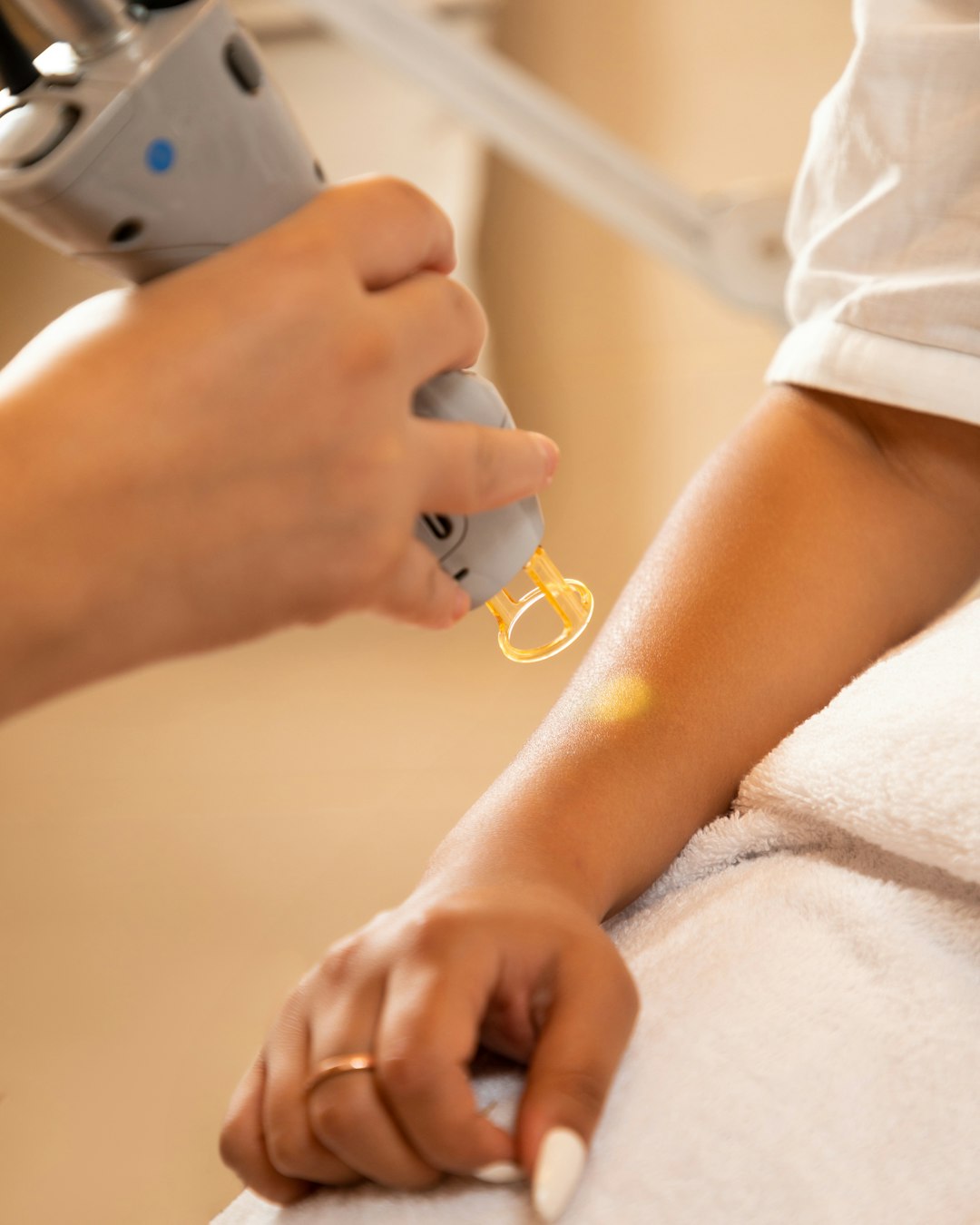
In some cases, more advanced procedures like laser therapy or surgical excision might be recommended. These methods, available at top private wart removal centers, offer definitive solutions. For instance, a study published in the Journal of Dermatological Treatment found that laser therapy had a 95% success rate for treating plantar warts, ensuring they don’t reoccur. However, these procedures should be considered carefully, as they may carry slight risks and are typically more expensive.
When choosing a specialized wart removal center, it’s essential to look for facilities with experienced staff, modern equipment, and a proven track record. Reputable centers will also offer aftercare advice and monitoring to prevent reoccurrence. This comprehensive approach ensures that warts are removed effectively and safely, providing long-lasting relief for patients.
By understanding the causes and types of warts and implementing effective prevention strategies, such as maintaining good hygiene and a healthy lifestyle, individuals can significantly reduce their risk of contracting these common skin growths. While home remedies may offer temporary relief, visiting a specialized wart removal center for safe and professional options is advisable for persistent or severe cases. This comprehensive approach ensures not only the removal of warts but also prevents future occurrences, providing long-lasting clarity and comfort.
Warts are caused by HPV, with common, plantar, and genital warts having distinct characteristics. They spread through direct contact and contaminated objects. Prevention involves good hygiene (handwashing), avoiding shared personal items, and professional treatment at specialized wart removal centers in areas like Oxford, Cambridge, or Manchester.
Key precautions include:
– Regular handwashing
– Avoiding direct skin-to-skin contact with infected individuals
– Wearing protective footwear in public places
– Not picking or scraping warts
– Consulting specialized wart removal centers for advanced treatments, such as cryotherapy, laser therapy, or topical medications.
Specialized centers offer tailored, safe methods to eliminate warts and prevent further contagion, with options like laser therapy achieving high success rates. Choosing a reputable center with experienced staff and modern equipment ensures effective and safe wart removal.