
Specialized Wart Removal Center: A Comprehensive Overview
Introduction
Welcome to an in-depth exploration of specialized wart removal centers, facilities dedicated to the effective and safe elimination of warts. This article aims to guide readers through the various aspects of these specialized centers, offering a comprehensive understanding of their role, impact, and potential. Warts, while often considered a minor skin concern, can significantly affect an individual's quality of life and social interactions. Specialized wart removal centers play a crucial role in addressing this issue, providing advanced treatments and ensuring patient satisfaction. In the following sections, we will delve into the history, global reach, economic significance, technological innovations, regulatory landscape, challenges, success stories, and future prospects of these specialized facilities.
Understanding Specialized Wart Removal Centers
Definition and Core Components
A specialized wart removal center is a medical or dermatological facility focused on diagnosing, treating, and preventing warts. Warts are common skin growths caused by certain types of human papillomaviruses (HPV). They can appear anywhere on the body but most frequently occur on the hands and feet. Specialized centers offer a range of treatments beyond conventional over-the-counter remedies, targeting various wart types, including common warts, plantar warts, filiform warts, and verrucae.
The core components of these centers typically include:
- Medical Expertise: Dermatologists, podiatrists, or nurse practitioners with specialized training in skin conditions and wart removal techniques.
- Diagnostic Tools: Microscopes, dermoscopes, and other devices to examine warts and rule out similar conditions.
- Treatment Options: A variety of treatments such as cryotherapy (freezing), topical medications, laser therapy, surgical excision, and immunotherapies.
- Consultation Services: Providing personalized advice on wart prevention, management, and when to seek treatment.
- Follow-up Care: Monitoring the response to treatment and managing any recurrences.
Historical Context
The pursuit of effective wart removal dates back centuries, reflecting humanity's long-standing battle with these skin growths. Early treatments included folk remedies like applying garlic or apple cider vinegar, which were believed to have antiviral properties. In the 20th century, advancements in dermatology led to the development of more sophisticated techniques and medications. The introduction of cryotherapy in the 1970s offered a quick and relatively painless method for removing warts, revolutionizing treatment options.
Specialized wart removal centers emerged as a specialized niche within dermatological practices, driven by increasing demand and the complexity of certain cases. Over time, these centers have refined their approaches, incorporating new technologies and treatments while adhering to strict safety and efficacy standards.
Global Impact and Trends
International Influence
The concept of specialized wart removal centers has gained global recognition, with facilities found in numerous countries across all continents. The widespread availability of these centers is driven by several factors:
- Prevalence of Warts: HPV infections are prevalent worldwide, affecting people of all ages, leading to a consistent demand for effective treatments.
- Improved Healthcare Access: Advancements in healthcare infrastructure have made specialized services more accessible, especially in developed regions.
- Cultural and Esthetic Considerations: In many cultures, clear skin is associated with beauty and social acceptance, increasing the motivation for individuals to seek wart removal.
Regional Trends
Global trends in wart removal exhibit regional variations:
- North America and Europe: These regions have seen a rise in specialized centers, offering advanced treatments like laser therapy and immunotherapies. The high prevalence of warts and increased healthcare spending contribute to this trend.
- Asia Pacific: Countries like Japan and South Korea are known for their innovative dermatological practices, including specialized wart removal techniques that blend traditional knowledge with modern technology.
- Emerging Markets: Brazil, India, and Mexico are witnessing the growth of these centers, driven by improving healthcare systems and growing awareness about skin health.
Economic Considerations
Market Dynamics
The global market for dermatological treatments, including specialized wart removal services, is substantial and expanding. Key factors driving this market include:
- Increasing Prevalence of Skin Conditions: The rising incidence of HPV infections and other skin disorders contributes to the demand for specialized treatments.
- Aging Population: As people age, they become more susceptible to skin conditions, including warts, leading to higher treatment requirements.
- Esthetic Concerns: The growing emphasis on personal appearance and skin health drives individuals to seek advanced treatments for unsightly warts.
Investment Patterns
Investment in specialized wart removal centers is influenced by several economic factors:
- Market Potential: Countries with high HPV prevalence rates and strong healthcare infrastructure offer attractive opportunities for investment.
- Regulatory Environment: Favorable regulations and reimbursement policies encourage the establishment of these centers, ensuring a steady revenue stream.
- Technological Advancements: Investments in cutting-edge technologies like laser treatments can enhance center capabilities and attract more patients.
Economic Impact
These specialized centers contribute significantly to the economy:
- Job Creation: They provide employment opportunities for healthcare professionals, support staff, and administrative personnel.
- Patient Spending: Individual expenditures on wart removal treatments vary, but overall, they represent a substantial economic output.
- Healthcare System Contribution: By offering specialized services, these centers help reduce the burden on general healthcare systems, ensuring more efficient resource allocation.
Technological Advancements
Current Innovations
The field of specialized wart removal has witnessed several technological breakthroughs that have improved treatment outcomes and patient experiences:
- Laser Therapy: Advanced lasers, such as CO2 and Erbium YAG lasers, offer precise removal with minimal collateral tissue damage.
- Immunotherapies: These treatments stimulate the body's immune response to fight HPV infections, providing effective long-term solutions.
- Topical Medications: Newer topical creams containing potent antivirals show promise in treating stubborn warts.
- Digital Diagnostics: High-resolution imaging tools and digital dermoscopes enhance diagnostic accuracy, enabling earlier detection and treatment.
Future Potential
The future holds exciting possibilities for technological advancements in wart removal:
- Personalized Medicine: Genetic testing and advanced diagnostics will enable tailored treatments, considering individual HPV strains and patient demographics.
- Minimally Invasive Techniques: Ongoing research explores less invasive methods using targeted lasers and viral vectors to enhance treatment efficiency.
- Telemedicine Integration: Remote consultations and treated-at-home options could increase accessibility, especially in underserved areas.
- Artificial Intelligence (AI): AI algorithms may assist in wart diagnosis, treatment planning, and monitoring patient responses, improving overall care quality.
Policy and Regulation
Governing Bodies and Frameworks
Specialized wart removal centers operate within a regulatory framework designed to ensure safety, efficacy, and ethical practices:
- International Organizations: The World Health Organization (WHO) provides guidelines for healthcare practices, including those related to skin diseases and HPV management.
- National Regulations: Each country has its own governing bodies overseeing medical practices. For example, in the US, it's the Food and Drug Administration (FDA), while in Europe, the European Medicines Agency (EMA) plays a pivotal role.
- Local Licensing: Local health authorities issue licenses to operate specialized centers, ensuring compliance with regional standards.
Impact on Development
Regulatory environments significantly influence the development and operations of these centers:
- Reimbursement Policies: Favorable reimbursement rates encourage healthcare providers to offer specialized treatments, expanding patient access.
- Licensing Requirements: Stringent licensing criteria ensure a high standard of care but can also be a barrier for new centers seeking establishment.
- Research Guidelines: Regulatory bodies often provide guidelines for clinical trials and research, facilitating the development of new treatments.
Challenges and Criticisms
Common Obstacles
Specialized wart removal centers face several challenges that impact their effectiveness and growth:
- Recurrence Rates: Warts can be stubborn and recurrent, requiring multiple treatment sessions, which can be costly and time-consuming for patients.
- Patient Compliance: Ensuring patient adherence to treatment plans is essential but challenging, especially with less severe cases or when treatments cause temporary discomfort.
- Cost of Advanced Treatments: While advanced technologies offer superior outcomes, they may also come at a higher cost, limiting accessibility for some patients.
- Stigma and Misinformation: Social stigma associated with warts can deter individuals from seeking treatment, and misinformation about treatments persists.
Proposed Solutions
Addressing these challenges requires a multi-faceted approach:
- Enhanced Education: Providing comprehensive information about warts, their causes, and available treatments empowers patients to make informed decisions.
- Combined Treatment Approaches: Combining different treatment modalities can improve outcomes and reduce recurrence rates.
- Access to Affordable Care: Insurer coverage and subsidized treatments can increase accessibility, especially for underserved populations.
- Continuous Research: Ongoing research is crucial for developing more effective and cost-efficient treatments.
Case Studies
Successful Applications
The following case studies highlight the successful integration of specialized wart removal centers into healthcare systems:
-
Case Study 1: Urban Dermatology Clinic, New York City
- Challenge: A busy urban clinic struggled to accommodate a growing demand for specialized wart removal services.
- Solution: They implemented an efficient scheduling system, integrated digital diagnostics, and expanded their team with additional dermatologists and nurses. As a result, wait times decreased significantly, patient satisfaction scores rose, and the clinic's reputation grew.
-
Case Study 2: Rural Health Center, Appalachian Region
- Context: A remote healthcare center in Appalachia aimed to improve access to specialized wart removal for underserved communities.
- Strategy: They established a telemedicine program, allowing patients to consult with dermatologists remotely. In conjunction, they offered subsidized treatments and educational workshops to promote awareness. These initiatives significantly increased the availability of specialized care.
-
Case Study 3: School-Based Clinic, California
- Objective: To address warts among school-aged children and prevent stigma and social isolation.
- Approach: The clinic implemented a school-based program, providing on-site wart removal services during regular school hours. This initiative improved attendance and reduced the impact of warts on children's social lives.
Future Prospects
Growth Areas
The future holds promising growth areas for specialized wart removal centers:
- Telemedicine Integration: The ongoing pandemic has accelerated telemedicine adoption, opening opportunities for remote consultations and follow-up care.
- Personalized Medicine: Advancements in genomics and HPV research will enable tailored treatments, enhancing patient outcomes.
- Global Expansion: As healthcare infrastructure improves globally, the demand for specialized services is expected to grow, particularly in emerging markets.
Emerging Trends
Several trends are shaping the future of these centers:
- Preventive Measures: Increased focus on HPV vaccination and educational programs can reduce the overall burden of warts, easing the workload on specialized facilities.
- Digital Health Platforms: Dedicated health apps and online communities foster patient engagement, support, and adherence to treatment plans.
- Collaborative Care Models: Multidisciplinary teams, including primary care providers, dermatologists, and mental health professionals, offer holistic care for patients with chronic or emotionally distressing warts.
Strategic Considerations
To capitalize on future opportunities, specialized wart removal centers should:
- Stay Technologically Advanced: Continuously update equipment and training to offer the latest treatments, ensuring center competitiveness.
- Focus on Patient Education: Empower individuals to prevent warts and make informed decisions regarding treatment options.
- Adapt to Changing Reimbursement Policies: Stay abreast of regulatory changes to ensure compliance and maintain profitability.
- Expand Global Reach: Collaborate with international partners to share knowledge, resources, and best practices, fostering global access to specialized care.
Conclusion
Specialized wart removal centers play a pivotal role in addressing the often-overlooked issue of warts, offering effective treatments and ensuring patient well-being. From their historical roots to their current technological advancements, these facilities have evolved to meet the diverse needs of individuals affected by skin growths. As we look ahead, ongoing innovations, global expansion, and a focus on personalized care will shape the future of specialized wart removal, improving lives worldwide.
FAQ Section
Q: How do I know if I need a specialized wart removal center? A: If warts are causing discomfort, affecting your daily activities, or persisting despite over-the-counter treatments, consulting a specialist is recommended. Specialized centers can offer more effective solutions for stubborn or complex cases.
Q: Are there risks associated with wart removal procedures? A: As with any medical procedure, there are minimal risks involved, such as temporary redness, swelling, or mild pain. More invasive treatments have higher risk profiles but are carefully managed by trained professionals.
Q: How much does specialized wart removal cost? A: Costs vary widely depending on the treatment method, location, and facility. Insurance coverage can significantly impact out-of-pocket expenses. It's best to consult with a center to understand the financial implications of various treatment options.
Q: Can warts be completely eradicated? A: While complete eradication is not always guaranteed, specialized treatments offer high success rates in removing warts and preventing recurrence. Individual results may vary based on wart type, severity, and adherence to treatment plans.
Q: What role does vaccination play in wart prevention? A: HPV vaccination is an effective way to prevent certain types of warts and reduce the risk of developing more serious HPV-related conditions. It is recommended for children and adolescents but can also benefit adults, especially those with compromised immune systems.
Category: specialized wart removal center

Urgent Wart Relief: Find Specialized Wart Removal Centers
Read more →Urgent Wart Care: Find Specialized Removal Centers Near You
Read more →
Find Urgent Specialized Wart Removal Centers for Fast Relief
Read more →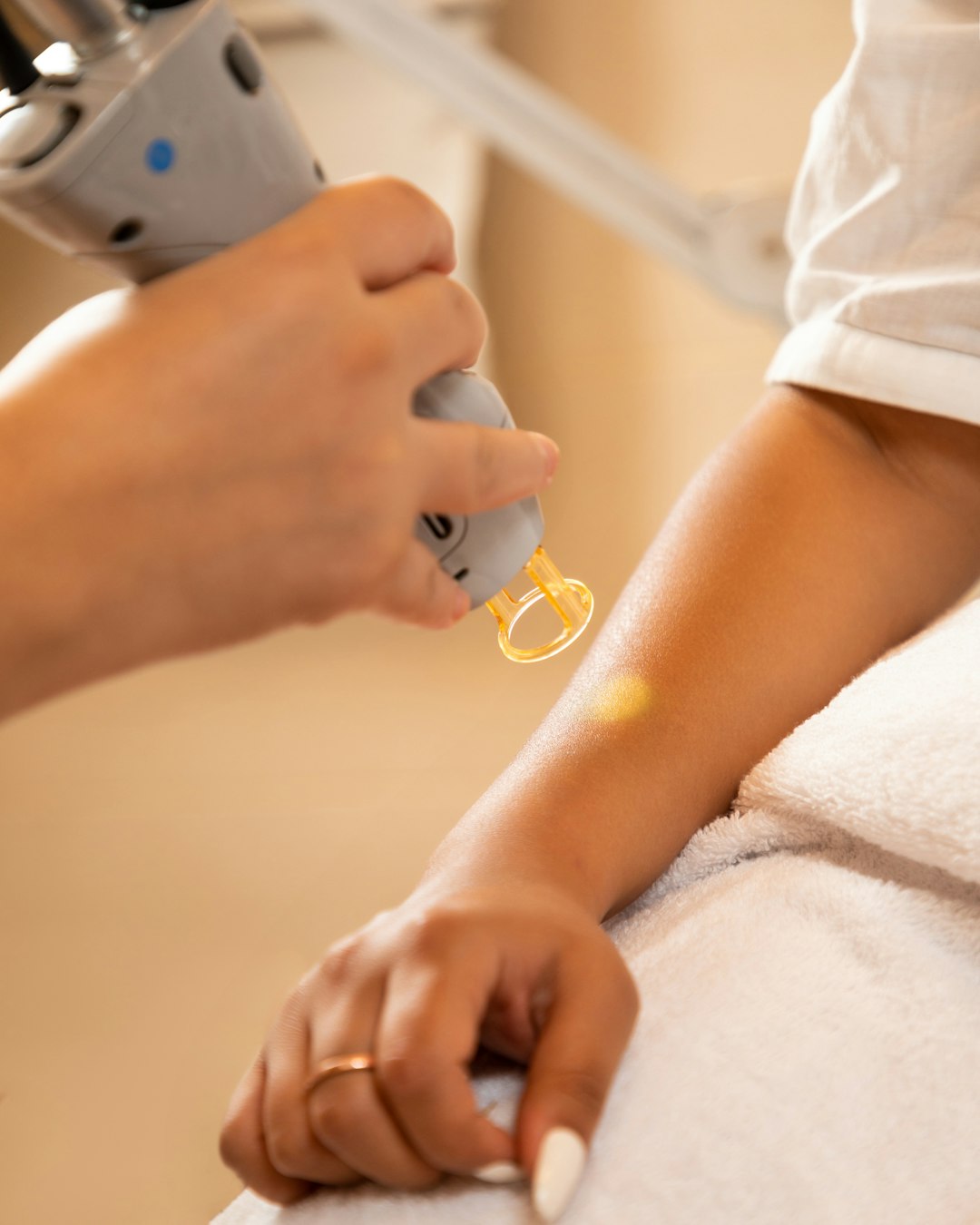
Prevent Warts: Specialized Removal Center Solutions
Read more →
Urgent Wart Relief: Find Specialized Removal Centers Near You
Seek professional help from specialized wart removal centers for persistent, unsightly, or painful w.......
Read more →

Uncovering Wart Removal Costs: Specialized Center Insights
Wart removal costs vary widely depending on wart type, size, location, and treatment method. Over-th.......
Read more →

Cost of Professional Wart Removal at Specialized Centers
Specialized wart removal centers offer advanced solutions for various HPV-related warts. Common meth.......
Read more →

Uncover Top Specialized Wart Removal Centers for Effective Skin Care
Seeking effective wart removal? Specialized wart removal centers offer advanced techniques, expert c.......
Read more →

Specialized Wart Removal: Effective Acid Treatments at Home
Specialized wart removal centers offer effective treatments using natural acids like salicylic and l.......
Read more →

Specialized Wart Removal: Freezing Off Unwanted Growths
Warts vary in type and cause, from viral infections like papillomavirus to conditions like flat wart.......
Read more →

Specialized Wart Removal: Effective Acids for Fast Relief
Specialized wart removal centers offer effective, safe treatments using acids like salicylic, lactic.......
Read more →

Professional Wart Treatments: Specialized Center Solutions for Elimination
Specialized wart removal centers offer advanced, tailored treatments for over 100 HPV-related wart t.......
Read more →

Natural and Specialized Wart Removal: Effective Prevention Strategies
Specialized wart removal centers offer effective, non-invasive treatments with 70% to 90% cure rates.......
Read more →

Navigate Wart Removal: Find Specialist for Safe, Effective Results
Understanding warts requires recognizing HPV types, with specialized wart removal centers offering a.......
Read more →

Find Top-Tier Care: Specialized Wart Removal Centers Near You
Identifying wart type is crucial for effective removal. Specialized wart removal centers offer advan.......
Read more →

Natural to Professional: Comprehensive Wart Removal for Kids
Warts affect 10-20% of children globally, caused by HPV. Specialized wart removal centers offer adva.......
Read more →

Specialized Wart Removal: Fast, Effective Elimination Techniques
Warts caused by HPV affect various body parts. Over-the-counter treatments are available, but specia.......
Read more →

Uncovering Specialized Wart Removal Center Costs: A Complete Guide
Wart removal costs vary widely based on wart type, location, and chosen method (DIY vs. professional.......
Read more →

Natural and Specialized Wart Removal Techniques at Home
Specialized wart removal centers offer advanced, non-invasive treatments tailored to various wart ty.......
Read more →

Professional Wart Treatments: Specialized Center Solutions Explained
HPV causes warts with varied types and severity. Specialized wart removal centers offer advanced tre.......
Read more →

Natural and Specialized Strategies for Wart Elimination
Specialized wart removal centers offer advanced, non-invasive treatments using cryotherapy, laser th.......
Read more →

Choose Best Wart Remover: Chemical vs. Physical Methods
Understanding wart types, sizes, and locations is crucial for effective removal. Specialized wart re.......
Read more →

Expert Guidance: Best Wart Removal Strategies from Home to Center
Warts, caused by HPV, require professional attention for safe and effective removal. Specialized war.......
Read more →

Uncovering Insurance Coverage for Specialized Wart Removal
Understanding insurance coverage for wart removal is crucial when considering specialized wart remov.......
Read more →

Safe Wart Removal: Centers, Remedies, and Prevention Strategies
Warts, caused by HPV, vary in type (common, genital, flat, plantar) requiring distinct removal metho.......
Read more →

Professional Wart Removal: Specialized Care Near You
Specialized wart removal centers offer advanced, tailored treatments using cryotherapy, laser therap.......
Read more →

Safe Wart Removal: Specialized Center to At-Home Care
Specialized wart removal centers naturally offer advanced treatments combining cryotherapy, laser te.......
Read more →

Locate a Specialized Wart Removal Center Near You
Understanding wart types dictates treatment approaches, with specialized wart removal centers offeri.......
Read more →

Find Top-Tier Relief: Specialized Wart Removal Center Near You
Specialized wart removal centers offer advanced, safe treatments using natural methods like cryother.......
Read more →

Choose Best Wart Remover: Guide to Specialized Care
Understanding wart types dictates tailored removal methods. Over-the-counter remedies and profession.......
Read more →

Senior Wart Removal: Specialized Centers for Effective Care
Specialized wart removal centers offer advanced, tailored treatments for seniors, addressing unique.......
Read more →

Expert Care at Specialized Wart Removal Center: Safe Removals
Warts, caused by HPV, vary in type and appearance. They can be prevented through hygiene, avoiding s.......
Read more →

Navigating Specialized Wart Removal Center Options with Insurance
Specialized wart removal centers offer advanced treatments tailored to wart size, location, and type.......
Read more →

Fast Wart Removal: Specialized Center to Natural Remedies
Specialized wart removal centers offer advanced, safe solutions for various wart types. They provide.......
Read more →

Comparing Wart Removal Creams: Natural vs. Medical Solutions at Specialized Wart Removal Center
Wart removal involves choosing between topical creams (salicylic acid, podophyllotoxin) for at-home.......
Read more →

Specialized Wart Removal: Effective Treatments and Care
Specialized wart removal centers offer advanced, tailored treatments for various wart types using mo.......
Read more →

Navigating Wart Removal: Safe Options from Home to Specialized Center
Specialized wart removal centers offer advanced treatments for common, filiform, and plantar warts u.......
Read more →

2023's Top Picks for Wart Removal: Centers to Quick Relief
Warts, caused by HPV, require tailored solutions. Specialized wart removal centers offer advanced te.......
Read more →

Effective Wart Removal: Over-the-Counter Options & Specialized Center
Warts, caused by HPV, are common skin growths with various types and symptoms. OTC treatments offer.......
Read more →

Find Urgent Wart Relief at Specialized Removal Centers
Urgent wart removal requires specialized care for superior outcomes. Specialized wart removal center.......
Read more →

Comparing Wart Remover Costs: Specialized Centers Explored
Specialized wart removal centers offer advanced, expert care with modern techniques like cryotherapy.......
Read more →

Comparing Specialized Wart Removal Creams: Expert Guide
Warts vary in type and location, with common, plantar, flat, and genital varieties. They spread thro.......
Read more →

Expert Guidance: Specialized Wart Removal Center for Fast Relief
Warts, caused by HPV, require professional treatment from specialized wart removal centers. Non-surg.......
Read more →

Professional Wart Removal: Specialized Center, Expert Care Near You
Warts, caused by HPV, require timely intervention. Specialized wart removal centers offer effective.......
Read more →

Expert Doctors Guide Wart Removal at Specialized Centers
Warts, caused by HPV, require specialized care from centers offering diverse treatments like cryothe.......
Read more →

Understanding Wart Removal Coverage at Specialized Centers
Understanding insurance coverage for specialized wart removal centers is crucial. Policies vary wide.......
Read more →

Fast Wart Removal: Experts, Treatments, and Prevention Tips
Warts, caused by HPV, require tailored management based on type (common, plantar, genital). Speciali.......
Read more →

Maximizing Wart Coverage: Navigating Specialized Removal Claims
Understanding wart insurance coverage is crucial when accessing specialized removal at centers natio.......
Read more →

Natural Solutions to Safe Wart Removal for Kids
Warts, caused by HPV, commonly affect children, spread through direct contact or weak immune systems.......
Read more →